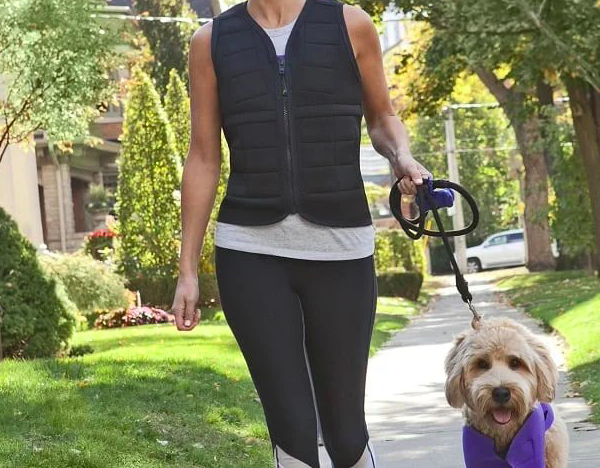
Weighted vests have become incredibly popular, especially since the Covid lockdowns pushed many of us to find creative ways to exercise at home. This trend is still going strong, with social media influencers and bloggers raving about the benefits for everyone, particularly our peri/ menopausal crowd. The claimed benefits range from weight loss and improved posture to increased bone density and muscle gains. But does walking with a weighted vest really live up to the hype? My conclusion: Yes, but… let’s delve into the details.
The Benefits of Walking with a Weighted Vest
1. Increased Intensity and Calorie Burn
Adding a weighted vest to your walk can significantly ramp up the intensity of this low-impact exercise. This means increased heart rate, greater overall workload, and more calories burnt. The added weight also engages your muscles more, likely enhancing muscular endurance.
2. Improved Cardiovascular Health and Fitness
Walking with a weighted vest can be a game changer for heart health. The additional weight increases the intensity of your walking routine, which means your heart has to work harder to pump blood throughout your body. This can lead to better cardiovascular endurance and overall heart health. This is a great option for those of us who don’t enjoy running or find that it is hard on our joints.
3. Improved Posture
One of the highlights of using a weighted vest is improved posture. The extra weight encourages better engagement of the core and upper back muscles, leading to an enhanced walking posture.
Limitations to Keep in Mind
However, it’s important to note that simply walking with a weighted vest won’t lead to true strength gains or increased muscle mass. For those results, you need a progressive overload program that involves a full range of motion. A weighted vest can be a fantastic tool for adding load to exercises like squats, pull-ups, and push-ups, but walking alone won’t suffice for significant muscle growth.
Bone Density Claims: A Closer Look
The claim that weighted vest walking improves bone density is a bit shaky. While weight-bearing exercises like walking are excellent for bone health, studies on weighted vest walking have been small and inconclusive. Currently, there’s no solid evidence that it improves bone density any more than traditional walking. Traditional strength training remains the best option for bone health.
Precautions and Recommendations
If you have neck or back issues, especially arthritis or degenerative or bulging discs, consult your doctor before starting a weighted vest routine.
For those managing pelvic floor dysfunction, or who have recently given birth or had surgery, increased pressure from the vest might worsen symptoms. Check with a healthcare professional first.
Getting Started: Tips for Success
- Start slow. Begin with a vest weighing 5-10% of your body weight.
- Use it for short intervals, like 10 minutes of walking a few times a week, and gradually increase over time.
- Ensure the vest fits securely and comfortably.
- Incorporate weighted vest walking into your routine for activities like walks, hikes, and stair climbing.
- Avoid high-impact movements like running or jumping unless you’re a highly trained athlete.
- Refrain from wearing a weighted vest during activities that involve a lot of bending or twisting, such as yoga, tennis, or pickleball.
Weighted vest walking can be an effective way to add a little boost to your fitness routine. It’s simple, accessible, and can easily be adapted to your current level of activity.
XO,
Angela